By: Ira Hope, RN
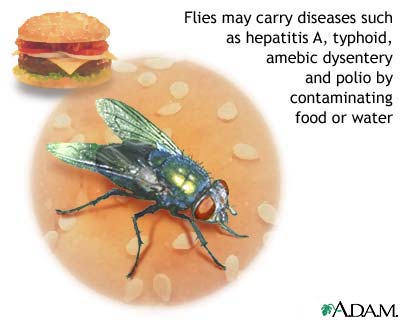 Hepatitis A is an inflammation of the liver caused by hepatitis A virus. The disease is primarily transmitted via food or drinks contaminated with a person who have had Hepatitis A.
Hepatitis A can be transmitted through:
- Ingesting food or drinks prepared by a person with HAV virus
- Oral or Anal sex with a person HAV
- Contact with fecal substance while changing a diaper or on public toilets
- Consuming contaminated water
A fly can be a vector when it touches the food or drink, then the individual will ingest it not knowing that the fly had carried the virus into the food contents. Hepatitis A develops around after 2 months of exposure to the virus. Its incubation period is 15 to 50 days.
Signs and Symptoms:
- It may occur without symptoms
- It may show flu-like symptoms
- Pre-icteric phase – headache, malaise, fatigue, anorexia and fever
- Icteric phase – dark urine, jaundice, tender liver
Diagnostic Evaluation:
- Only confirmed by a blood test (IgM anti-HAV)
- Serum electrolytes might be imbalanced
Prevention:
- Hepatitis A vaccine are given before the occurrence of the disease. This is given for people who are traveling frequently.
- Practice proper hand washing before and after using the toilet.
- Avoid eating raw or uncooked foods in places with poor sanitation.
- Clean the area suspected with contamination with bleach.
- Heat food or water to 185°F or 85°C to kill the virus.
Medical Management:
- Dehydration is the priority management at this time.
- Intravenous fluid and medications are given to control nausea and vomiting as well as further dehydration.
Nursing Management:
- Instruct folks and patient to do proper hand washing before and after eating, using the toilet or having in contact with soiled items of body fluids or stool.
- Encourage the family to provide screen or cover for foods or drinks so that flies won’t be in contact with them.
- Teach them to cook their food properly and as much as possible avoid eating in food establishments with poor sanitation.
- Encourage more fluid intake to prevent dehydration.
- Provide a high calorie, low fat diet in small frequent feedings as to compensate with the weakness being felt by the body.
Photo credits: www.health.allrefer.com


